
What Makes a Software Solution Scalable and Secure?
Learn the architectural essentials, from load balancing to encryption that allow your platform to expand effortlessly while remaining a fortress against data breaches.
Whether you’re a developer, product manager, or just a tech enthusiast curious about how software grows and stays safe. We’re diving into what it really means for a software solution to be both scalable and secure a balancing act that’s crucial for any app or system aiming to thrive in the real world.
Let’s face it: building software these days isn’t just about writing code that works. It’s about writing code that can grow sometimes overnight and that guards your users’ data like a vault. So, what exactly sets scalable and secure software apart? Let’s break it down.
Scalability: Growing Without Breaking a Sweat
When we talk about scalability, we mean the ability of a system to handle increasing demands smoothly. Imagine your app is a small coffee shop that suddenly becomes the hottest spot in town. Can your baristas keep up with the crowd, or do customers start leaving frustrated?
Modular Architecture: Breaking your system into independent, manageable pieces (think microservices) means you can grow parts of your app without overhauling everything.
Efficient Resource Management: Using cloud infrastructure that can elastically allocate computing power or storage ensures that spikes in usage don’t bring everything crashing down.
Load Balancing: Smartly distributing incoming traffic across servers keeps things running smoothly even under heavy load.
Database Scalability: Choosing the right database technology (SQL or NoSQL) and employing strategies like sharding or replication helps your data keep pace with your growth.
But and this is important scalability isn’t just a tech checkbox; it’s a mindset. Planning for growth early means fewer headaches and more happy users down the line.
Security: Building a Fortress, Not Just a House Sweat
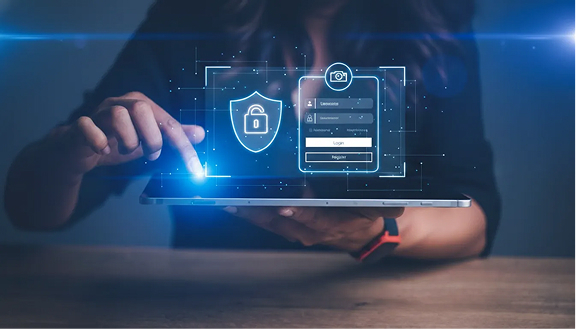
Now, onto security. In an era where headlines are filled with data breaches and cyberattacks, securing your software isn’t optional; it’s fundamental. Security isn’t just about locking doors it’s about thinking like an attacker and anticipating every possible weak spot.
Key elements of secure software include:
Strong Authentication and Authorization: Making sure users are who they say they are, and that they can’t access more than they should.
Data Encryption: Protecting sensitive data both in transit and at rest, so even if intercepted, the information remains unusable to attackers.
Regular Security Audits and Patching: Keeping an eye out for vulnerabilities and fixing them before someone else exploits them.
Secure Development Lifecycle (SDL): Integrating security into every stage of development, from design to deployment—rather than leaving it as an afterthought.
Why Both Matter Together
Scalability and security might seem like two different beasts, but they’re deeply interconnected. For example, scaling often means exposing more services and interfaces, which can increase your attack surface if you’re not careful. Similarly, strict security measures can sometimes limit how easily a system scales if not designed thoughtfully.
Balancing them means making smart choices early on and continuously reassessing as your software evolves. Tools like automated testing, containerization, and continuous integration/continuous deployment (CI/CD) pipelines help keep both scalability and security in check.
Leave a Reply

Ready to Start Your Next Project?
Have an idea or need help bringing your vision to life? Our team is here to collaborate, innovate, and deliver tailored solutions that drive results.

Testimonial
Trusted by 25,000+ Satisfied Clients Worldwide
From startups to large businesses, we specialize in creating personalized web solutions.




“Working with Techaxe was a great experience from start to finish. Their team clearly understood our business requirements and delivered a high quality solution on time.â€

Emily Thompson
Operations Manager
“We hired Techaxe for web and mobile app development, and the results were excellent. The final product was stable, user-friendly, and aligned perfectly with our business goals.â€
Ryan Harris
Business Owner
“We are satisfied with the services provided by Techaxe. Overall, it was a reliable and positive experience.â€
Muhammad Usman
Project Coordinator
“Techaxe is a dependable company with skilled professionals. Their honest communication and quality delivery gave us confidence in their servicesâ€
Zainab Hussain
Startup Founder
“Techaxe supported us throughout the development process and explained things clearly, especially for non-technical users like us. Communication was consistent and the team was easy to work with.â€
Hamed Al Zadjal
Marketing Director
“Project delivered on time. Support after delivery was helpful.â€
Fatima Noor
Project Coordinator
“Techaxe delivered on time and addressed all our feedback patiently. We look forward to working with them again.â€
Jessica Moore
Business Owner
0
Comments